ALURA
From a small local physical store to a complete digital, omnichannel brand.
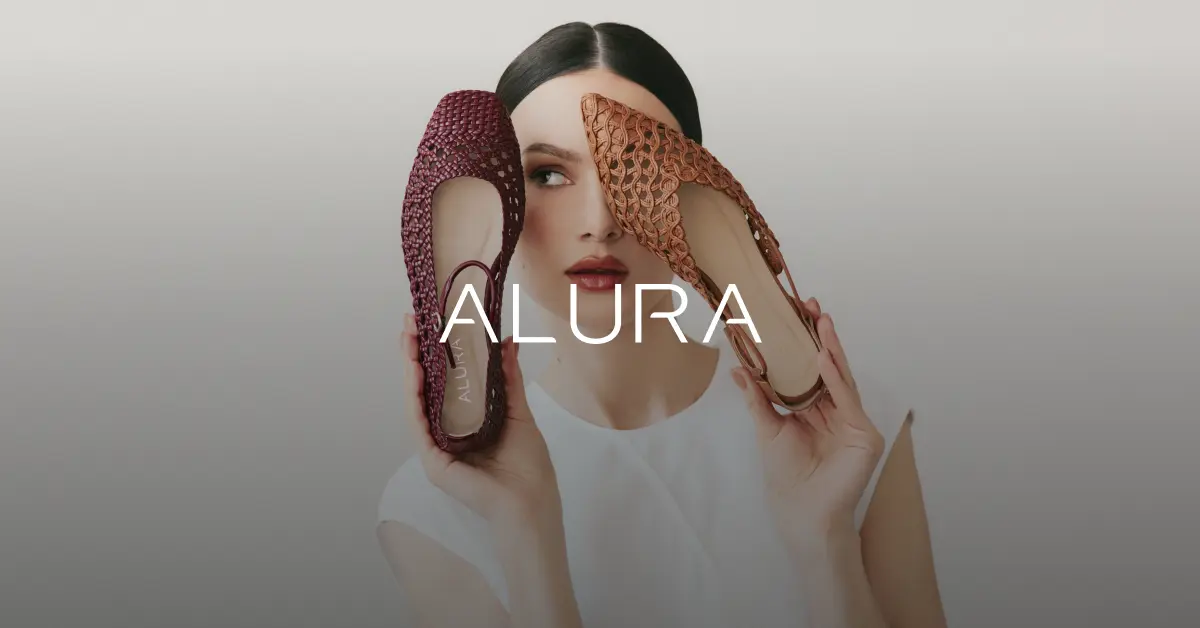
I built ALURA's digital ecosystem from scratch, turning a small local physical store into a complete omnichannel brand. I designed and implemented the entire digital strategy, from site architecture and UI/UX to performance marketing, sales funnels, email marketing, automations and the pre-order system. I also helped launch the digital platform for the physical showroom in Bucharest. Everything was tested, documented and optimised over time, with a hands-on approach backed by concrete results.
Systems implemented
The pre-order system was designed, implemented and optimised over 4 years, constantly adapted to real e-commerce needs. From display logic to cart and checkout integration, every detail was built for clarity, scalability and conversion. I implemented stock prioritisation logic that automatically favours sellable products from physical stock, and the checkout shows personalised messages based on stock availability and storage locations. The result: a predictable experience for customers and a robust, reusable and efficient sales tool for the brand.
The delivery date estimation system takes into account couriers' and logistics operators' days off, as well as order processing cut-off times, which can be configured at any time. I designed, proposed, implemented and optimised a system that gives customers realistic delivery estimates, visible throughout the entire buying journey, not just at checkout. The logic considers stock location, the difference between pre-order products and those available immediately, and the active warehouse. On top of that, if the product is available in the showroom, the customer is informed in real time and can come to see it, try it on and buy it directly from the physical location.
Simulation:
[product_form_alura]To showcase the Instagram feed, I chose to display my own feed instead of the company's for a simple reason: since the collaboration ended, access to the Meta app that generates the feed's authentication token is managed exclusively by ALURA. So I no longer have the technical ability to create active tokens for their account.
The feed integrated here works exactly like the original: it updates automatically, it is responsive (optimised for mobile and desktop) and it complies with Meta's policies. The only difference is the content source.
This choice lets me demonstrate the component's full functionality and stability, exactly as it was designed and delivered, without depending on access to third-party accounts. I can also apply performance updates whenever needed.
Simulation:
[feed_instagram_alura]Other elements used in campaigns:
[banner_alura_black_friday]This component was used two years in a row in ALURA's BLACK FRIDAY campaign because of its proven effectiveness and versatility in an e-commerce context. Originally built to deliver visual impact and quick conversions, it proved robust and scalable enough that it never needed rebuilding, only content updates.
The logic works like this: take the last Friday of November, then add a window of x days or hours (the campaign period) to switch content and messages across pre-campaign, campaign and post-campaign.
In 2024, the component was extended with an interface dedicated to newsletter subscribers, giving them early access to the campaign before the official launch. A pre-campaign stage was also added to attract new subscribers, through a module built directly into the header, without affecting the clarity or performance of the main component.
This component was later rolled out across the whole website and is now used in every time-limited campaign. It keeps the same visual and functional consistency and adapts easily to different promotional contexts, without losing clarity or display rhythm.
The attention to detail went beyond visuals and structure: I even implemented correct grammatical agreement for time units in Romanian (for example "1 minut", "2 secunde"), so the messages read naturally and correctly. Everything was done precisely, down to the smallest detail.
Derivatives:
[promo_countdown_bar_derivat_1] [promo_bar]Challenges
The project started like any healthy startup: big ambitions, chaotic processes and lots of things needed "yesterday". Turning a physical store into a complete digital brand meant not just building but also a lot of taking apart, usually in parallel with launches, photo shoots and campaigns in full swing.
1. No clear digital direction
When I joined the project, ALURA had no clear vision and no functional digital structure at all. I had to design and implement everything from the ground up: platform, funnel, product logic, pages, campaigns. Everything was on its first version.
2. Risk of losses during migration
I single-handedly coordinated the full migration from alurashoes.com to the main domain, with correct redirects and no drop in organic rankings. It was one of the riskiest technical stages, and it went through without incidents.
3. Purchasing without validation
There was no mechanism to support a sustainable production or cash-flow model. I proposed and defined from scratch a pre-order system adapted to the real context of manufacturing, stock and delivery. At first the technical implementation was outsourced, since I was directly involved in performance marketing. Later, however, I completely rebuilt the final version, including the operational side: the operator no longer had to fill in 6 fields manually and enable 8 settings for each product, which they then had to disable and remove manually. Now everything is handled directly at variant level, with predefined logic that significantly reduces working time and the risk of error. It was all simplified and designed for real efficiency, for both the team and the end customer.
4. A difficult transition from multi-brand
The transition required a complete repositioning, UX restructuring, a funnel review and new performance marketing strategies. It was a delicate but strategic process, which I led directly.
5. Loss of organic traffic
After the brand dropped its multi-brand offering, organic traffic fell by more than 70%. I had to rebuild the SEO structure and shift the focus to retention, email marketing and real performance.
6. Physical and digital, completely separate
The showroom launch brought a new need: online bookings. I built the booking platform and designed the communication logic to encourage offline interaction without disrupting the digital process.
7. Missing delivery information
One of the most frequent obstacles to completing orders was the lack of clarity about delivery. Customers didn't know when the product would arrive or whether it was available immediately. This created uncertainty, cart abandonment and extra requests to support.
To solve this, I developed a system that dynamically displayed delivery estimates based on several factors: stock availability, the warehouse shipping the order, the order type (standard or pre-order), days off and processing capacity.
The information was calculated in real time and visible throughout the buying journey, from the product page to the cart and checkout. The result was a more transparent experience in which customers knew exactly what to expect, and the order completion rate went up.
8. Limited budgets, need for maximum efficiency
In 2024, I worked with carefully calibrated budgets and optimised PPC campaigns so that spending dropped by 46%. At the same time, I increased average order value and attributed revenue. The process ran across several channels, from SEO and paid ads to email marketing automation. With this approach I increased efficiency, secured the market to a certain extent and grew repeat purchases, without compromising scaling.
Today, ALURA runs on a digital foundation that I designed, tested and optimised at every stage. It has a stable, scalable online store with a working pre-order system, correct integrations, automated email marketing, an omnichannel ecosystem that connects the showroom with the online experience, and the infrastructure needed for international expansion.
Almost every visible component of the site was created or rebuilt by me: funnels, UX, delivery logic, personalised communication, reporting systems.
I also contributed to the visual side, shooting product photos for recurring models to keep the aesthetic consistent and make content production more efficient.